Elk Hunting Guide
Public Land vs Private Land Elk Hunts
Public and private land elk hunts can both offer great experiences, but they differ in access, cost, pressure, logistics, expectations, and how much planning support a hunter may need.
Quick Answer
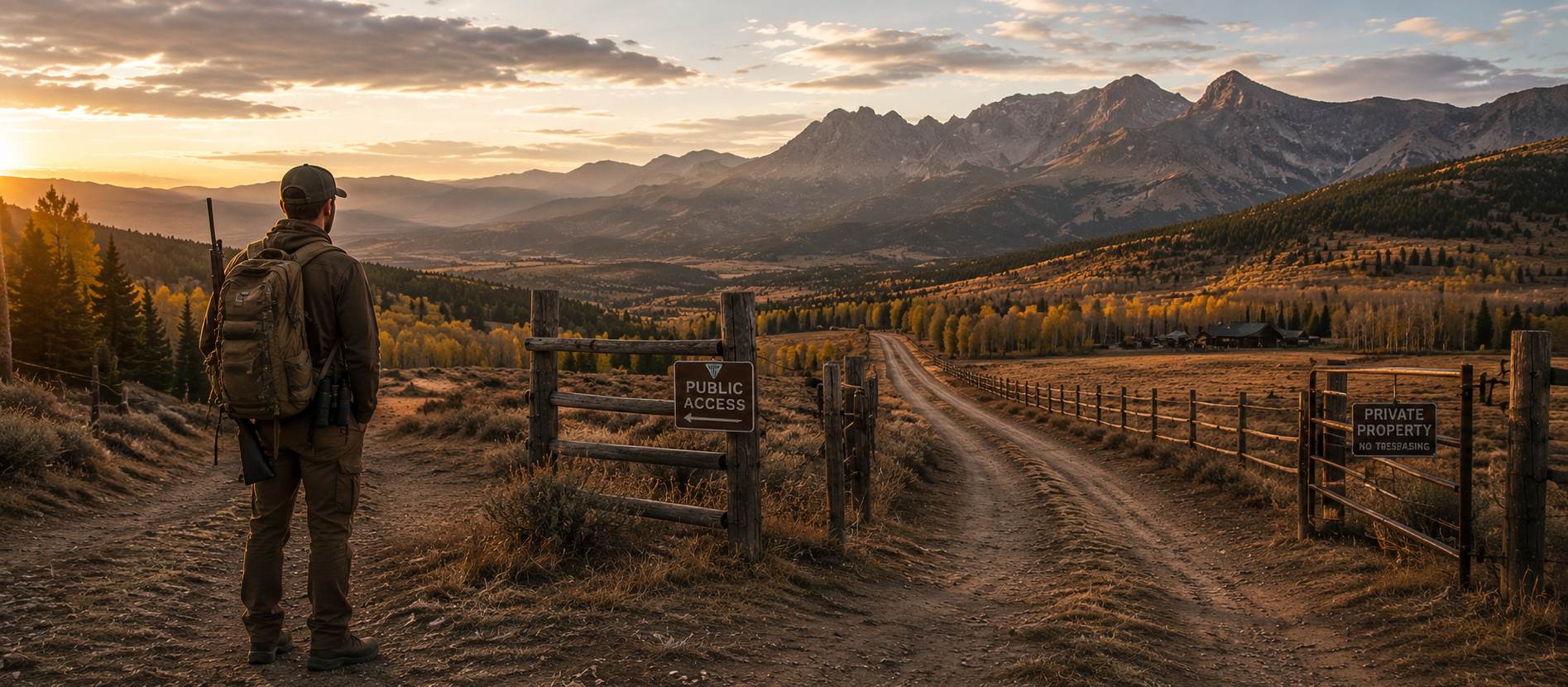
Public land elk hunts usually offer lower access cost and more independence, but often come with more hunting pressure and more logistical responsibility. Private land elk hunts can offer better access control and less pressure, but they usually cost more and often involve an outfitter, landowner access fee, or guided package.
Planning Tool
Match the Access Type to Your Expectations
The right access type depends on your budget, experience level, tolerance for hunting pressure, comfort with navigation, and whether you want a self-directed hunt or a more managed experience.
Access type also affects cost and hunt structure. Compare full-trip expenses in our DIY elk hunt cost guide and compare hunt support levels in our DIY vs guided elk hunt guide.
Public Land vs Private Land Elk Hunt Comparison
| Category | Public Land | Private Land |
|---|---|---|
| Access | Open to eligible hunters where legal access exists. | Controlled by landowner, lease, outfitter, or private access agreement. |
| Cost | Usually lower access cost. | Usually higher due to access fees or guided packages. |
| Pressure | Can be higher, especially near roads and trailheads. | Often lower because access is controlled. |
| Planning burden | More scouting, mapping, and logistics on the hunter. | Often more structure and support. |
| Best fit | Independent hunters who want flexibility and lower cost. | Hunters who value controlled access, support, and convenience. |
What is a public land elk hunt?
A public land elk hunt takes place on land that eligible hunters can access under state or federal rules. These hunts can be rewarding and affordable, but hunters are responsible for understanding access, terrain, pressure, camping, navigation, and meat care.
Public land hunts are often a good fit for hunters who want independence and are willing to trade comfort and certainty for lower access cost and a more self-directed experience.
What is a private land elk hunt?
A private land elk hunt takes place on land where access is controlled by a landowner, outfitter, lease, or access agreement. These hunts may offer less pressure and more predictable access, but usually come at a higher cost.
Private land hunts are often a better fit for hunters who want more structure, less crowding, or support from an outfitter or landowner.
Planning Tip
Do not assume private land always means easy elk hunting or that public land always means poor opportunity. Access type matters, but terrain, pressure, elk movement, weather, tag rules, and preparation still determine the quality of the hunt.
What Changes Between Public and Private Land?
Access control
Public land access is broader but less controlled. Private land access is more limited but may reduce competition from other hunters.
Cost structure
Public land hunts often keep access costs lower. Private land hunts may involve outfitter fees, trespass fees, lodging, meals, or landowner access.
Hunter responsibility
Public land hunters usually carry more responsibility for scouting, navigation, camp setup, packing meat, and adapting to pressure.
Access type should also match tag strategy. Review OTC vs draw elk hunts before choosing where and how to hunt.
Planning Tip
The best access is the access you can realistically hunt well.
A private land hunt with controlled access can still be disappointing if expectations are unrealistic. A public land hunt can still be excellent if you are prepared, mobile, and willing to work around pressure.
Which Elk Hunt Access Type Fits You?
| Budget-focused hunter | Public land usually offers a lower-cost path. |
| First-time western hunter | Private or guided access may reduce logistical complexity. |
| Independent hunter | Public land may offer more freedom and flexibility. |
| Low tolerance for pressure | Private land may be a better fit if budget allows. |
| Best overall approach | Match access to budget, expectations, and experience. |
Bottom Line
Public land elk hunts offer independence, lower access cost, and a real western hunting experience, but they usually require more planning and tolerance for pressure.
Private land elk hunts can provide controlled access and more structure, but they usually cost more. Neither option is automatically better; the right choice depends on what kind of trip you are actually trying to plan.
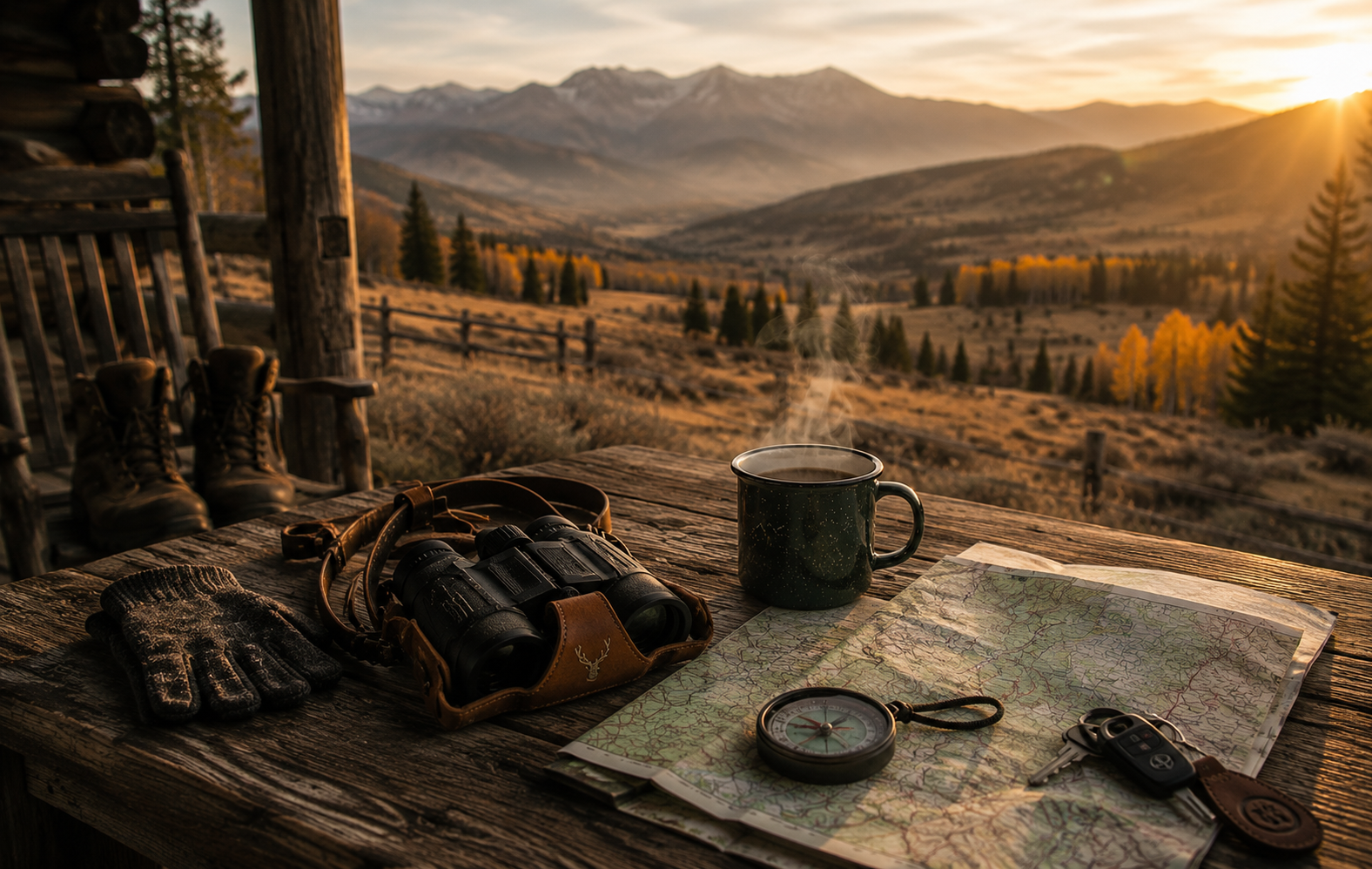
Typical Public vs Private Land Elk Hunt Scenarios
Budget Hunter
Public Land DIY Hunt
Good fit for hunters who want to keep access cost low and are comfortable handling navigation, pressure, camp, and logistics.
Supported Hunter
Private Land Guided Hunt
Better fit for hunters who want controlled access, support, and fewer moving parts, assuming the budget works.
Hybrid Approach
Public Land With Local Support
Some hunters use public land but add scouting, packing, lodging, or local advice to reduce uncertainty.
Frequently Asked Questions
Is private land elk hunting better than public land?
Not always. Private land may offer controlled access and less pressure, but public land can still provide excellent opportunity for prepared hunters.
Is public land elk hunting cheaper?
Usually, yes. Public land hunts often avoid private access fees or outfitter costs, but travel, gear, camping, and meat care still add up.
Can beginners hunt elk on public land?
Yes, but beginners should prepare carefully. Public land elk hunting requires realistic expectations, navigation skills, fitness, and comfort adapting to pressure.
Why do private land elk hunts cost more?
Private land hunts often include controlled access, outfitter support, lodging, meals, landowner agreements, or lower hunter pressure.
Keep Planning
Access type affects far more than where you hunt. Use the guides below to compare costs, tag options, hunt styles, accommodations, physical demands, and preparation before choosing the elk hunt that fits you best.
Continue Planning Your Elk Hunt
Explore More Elk Hunting Guides
Cost & Budget
Choosing Your Hunt
OTC vs Draw Elk Hunts
Compare tag access, hunting pressure, timelines, and opportunity.
DIY vs Guided Elk Hunts
Compare planning effort, support, flexibility, and experience.
Guided Camp vs Lodge Elk Hunts
Compare comfort, logistics, accommodations, and recovery.
Archery vs Muzzleloader vs Rifle
Compare seasons, weapon choices, and hunting styles.