
Elk Hunting Guide
How Physically Demanding Is an Elk Hunt?
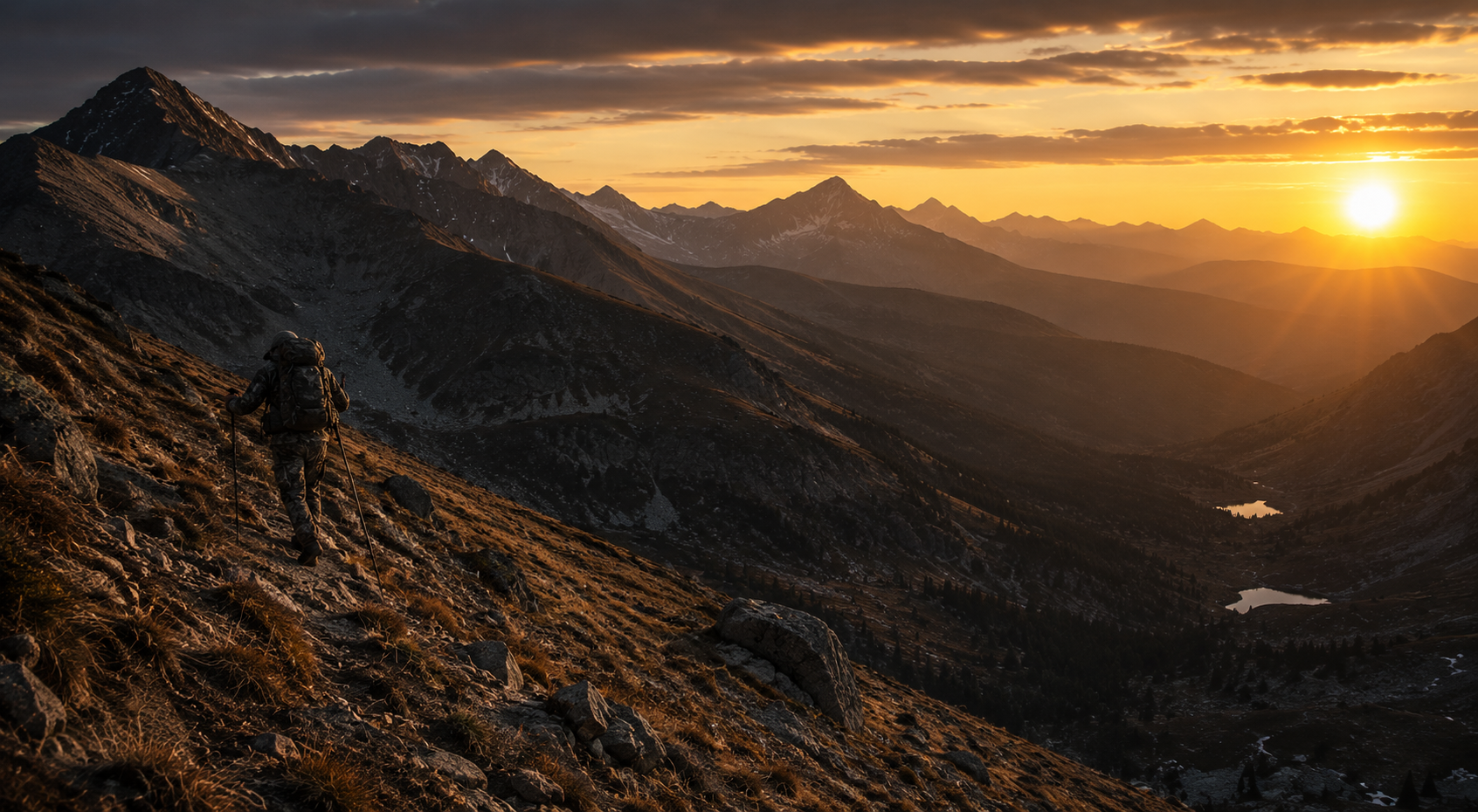
Elk hunting can be one of the most physically demanding western trips a hunter ever takes. Terrain, elevation, weather, hunt style, daily mileage, and pack-out expectations can turn a dream hunt into a serious test.
Quick Answer
Elk hunts can range from moderately demanding to extremely difficult. A lodge-based guided hunt may be manageable for many prepared hunters, while a public-land DIY backpack hunt can involve steep climbs, high elevation, long days, heavy packs, cold weather, and difficult meat recovery.
Planning Tool
Match the Hunt to Your Real Fitness Level
The goal is not to scare new hunters away from elk hunting. The goal is to choose a hunt that matches your current fitness, preparation time, terrain comfort, and willingness to handle long days in difficult country.
Physical demand connects directly to hunt type, access, and accommodations. Review public land vs private land elk hunts and guided camp vs lodge elk hunts before choosing a trip.
Elk Hunt Physical Demand by Hunt Style
| Hunt Style | Demand Level | What Makes It Hard |
|---|---|---|
| Lodge-based guided hunt | Moderate | Long days, elevation, hiking, and early mornings, but better recovery at night. |
| Guided camp hunt | Moderate to high | More weather exposure, rougher sleep, longer days, and less comfort between hunts. |
| Public-land DIY hunt | High | Scouting, navigation, pressure, camp logistics, and meat recovery fall on the hunter. |
| Backpack elk hunt | Very high | Heavy packs, steep terrain, remote camps, limited recovery, and difficult pack-outs. |
Elevation Is the First Gut Punch
Many elk hunts happen at elevations where flatland fitness does not translate perfectly. Walking uphill at altitude with boots, clothing, water, optics, and a weapon can feel very different from a normal workout at home.
Even hunters in decent shape can feel slower, more winded, and more fatigued than expected during the first few days.
Terrain Makes Miles Feel Longer
Elk country is not treadmill country. Loose rock, deadfall, mud, sidehills, snow, brush, and steep climbs can make a few miles feel like a full day.
Physical difficulty often comes from repeated climbs, descending under load, and staying steady on rough ground.
Planning Tip
Elk hunt fitness is not just about one hard hike. It is about getting up early, hiking hard, recovering poorly, doing it again, and still making good decisions on day three, four, or five.
What Makes Elk Hunting So Physically Hard?
Consecutive Days
A single hard hike is one thing. Elk hunting often means repeating long days with sore legs, tired feet, poor sleep, and changing weather.
Pack Weight
Water, layers, optics, food, weapon, first aid, and a kill kit add up. If an elk is harvested, the pack-out can become the hardest part of the hunt.
Weather Swings
Heat, cold, snow, rain, wind, mud, and frozen mornings all change how hard the same terrain feels.
Physical demand also depends on weapon season. Compare archery vs muzzleloader vs rifle elk hunts before choosing a season that may require more miles, closer encounters, or tougher conditions.
Planning Tip
The Pack-Out Is Where Elk Hunting Gets Real
A successful elk hunt can turn into the hardest physical day of the trip. Meat care, distance from the road, weather, time of day, and terrain should all be part of your planning.
Which Hunt Fits Your Physical Readiness?
| New elk hunter | Consider a guided or lodge-based hunt with realistic hiking expectations. |
| Moderate fitness | Camp hunts or guided public-land hunts may work if you prepare several months ahead. |
| Strong mountain fitness | DIY public-land or backpack-style hunts may be more realistic. |
| Limited mobility or recovery concerns | Ask outfitters directly about terrain, hiking distance, vehicle access, and daily pace. |
| Best overall approach | Choose the hunt you can still execute on the last day. |
Bottom Line
Elk hunting is physically demanding because the country is big, steep, rough, and often high. The difficulty comes from more than one climb; it comes from repeated effort, weather, recovery, pack weight, and the possibility of packing meat.
The smartest choice is not always the most extreme hunt. The smartest choice is the hunt you can prepare for, enjoy, and finish safely.
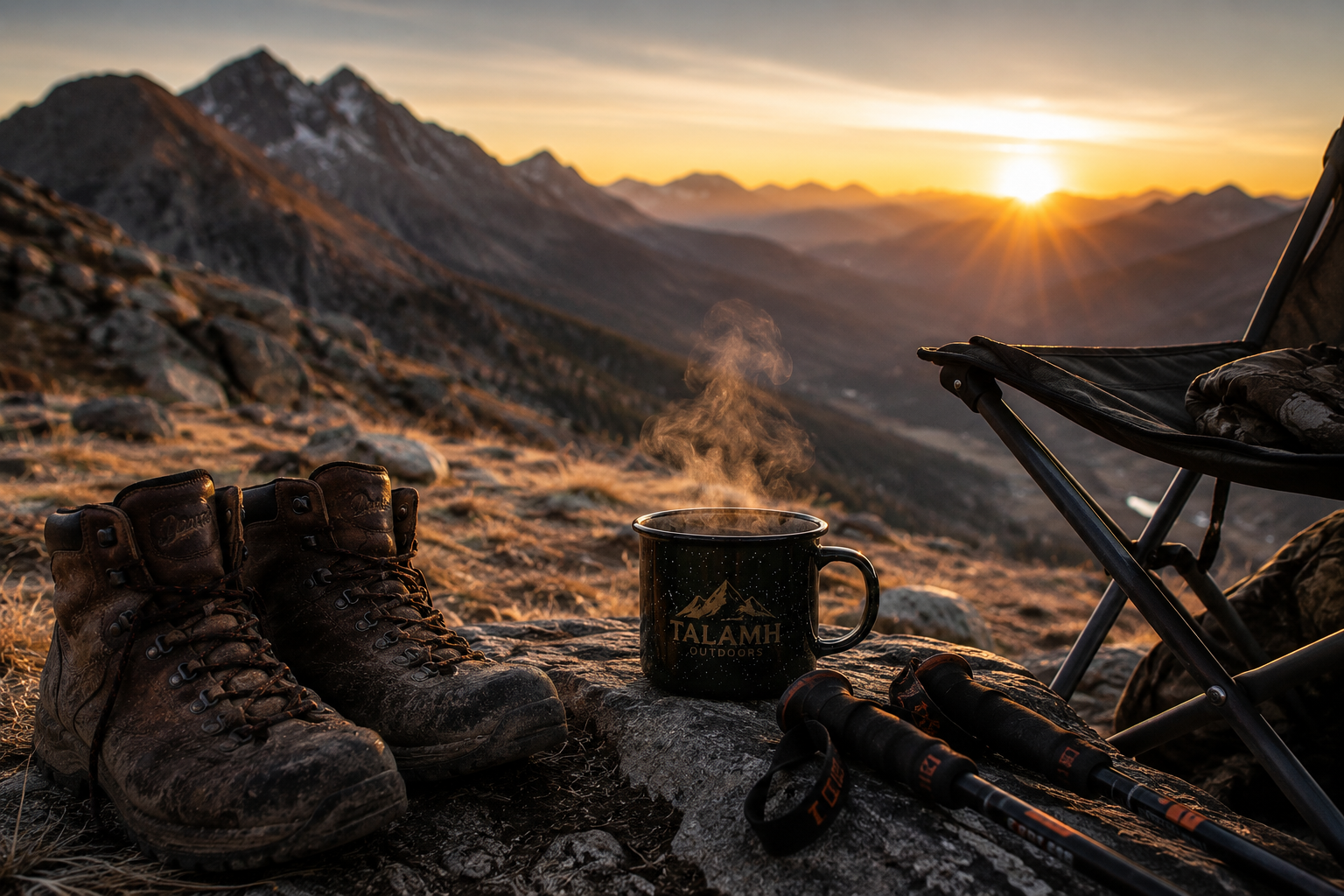
Typical Elk Hunt Fitness Scenarios
First-Time Hunter
Guided Lodge Hunt
Better fit for hunters who want a real elk hunt but need recovery, food, rest, and more support between hunting days.
Prepared Hunter
Camp-Based Elk Hunt
Good fit for hunters who are comfortable with long days, cold mornings, rougher sleep, and moderate to hard hiking.
Mountain-Ready Hunter
DIY Public-Land Hunt
Strong fit for hunters who can handle scouting, navigation, pressure, elevation, camp logistics, and possible meat recovery.
Frequently Asked Questions
How hard is elk hunting?
Elk hunting can be moderately hard to extremely demanding depending on terrain, elevation, weather, hunt style, daily mileage, and whether meat packing is involved.
Can beginners handle an elk hunt?
Yes, but beginners should choose the right hunt style, train ahead of time, break in boots, ask realistic questions, and avoid overestimating their mountain fitness.
Do I need to be in marathon shape for an elk hunt?
No, but you should be able to hike uneven terrain, handle elevation, recover between days, and carry a loaded pack appropriate for your hunt style.
How much should I train before an elk hunt?
Many hunters benefit from several months of hiking, weighted pack walks, leg strength, mobility work, and stair or hill training before heading west.
Keep Planning
Every elk hunt is different. Use the guides below to compare costs, hunt styles, tags, access, outfitters, and preparation so you can choose a trip that fits your goals and physical readiness.
Continue Planning Your Elk Hunt
Explore More Elk Hunting Guides
Cost & Budget
Choosing Your Hunt
DIY vs Guided Elk Hunts
Compare planning effort, flexibility, support, and overall experience.
Public Land vs Private Land
Compare access, hunting pressure, costs, and expectations.
Guided Camp vs Lodge Elk Hunts
Compare comfort, logistics, accommodations, and recovery.
Archery vs Muzzleloader vs Rifle
Compare seasons, weapon choices, and hunting styles.