Fly Fishing Guide
How to Choose a Fly Fishing Guide
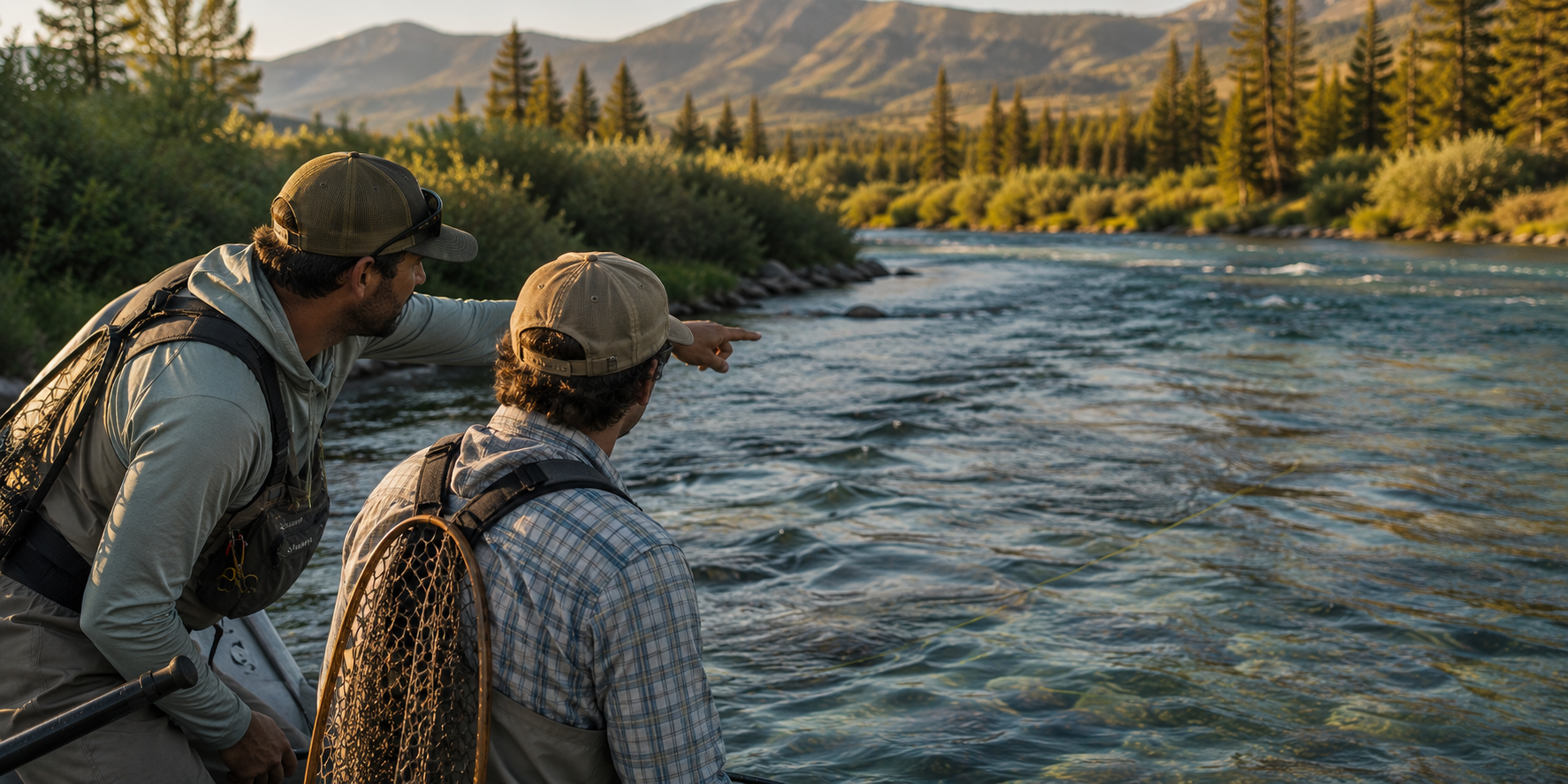
A good fly fishing guide does more than put you in a boat. The right guide helps you read water, choose flies, understand conditions, fish safely, and get more value from your time on the river.
Quick Answer
Choose a fly fishing guide based on river knowledge, communication, teaching ability, safety, trip style, pricing clarity, and fit for your skill level. The best guide is not always the flashiest one online. It is the one who understands the water, explains the plan clearly, and matches the trip to your goals.
Planning Tool
Estimate the Total Cost Before Booking a Guide
Guide rates are only one part of the total trip cost. Use the Fly Fishing Trip Budget Calculator to estimate lodging, travel, equipment, licenses, gratuity, and other trip expenses before comparing guides and destinations.
Before narrowing down guides, it also helps to decide whether a guided trip is the right fit in the first place. Compare the pros and tradeoffs in our DIY vs guided fly fishing trip guide and review drift boat vs wade fishing if you are still deciding what kind of experience you want.
Compare a Good Fly Fishing Guide and a Poor Fit
| Category | Good Sign | Red Flag |
|---|---|---|
| Communication | Explains the plan, river options, timing, and expectations. | Vague answers, slow replies, or pressure to book quickly. |
| Teaching ability | Helps with casting, mending, flies, and reading water. | Acts annoyed by beginners or only wants experienced anglers. |
| River knowledge | Understands flows, hatches, access, pressure, and conditions. | Gives generic answers that could apply to any river. |
| Pricing | Clear rate, inclusions, gratuity expectations, and extra costs. | Unclear fees, fuzzy cancellation terms, or surprise add-ons. |
| Trip fit | Recommends the right style for your goals and experience. | Pushes the same trip for every angler. |
What a good guide should explain
- Whether the trip is walk-and-wade, drift boat, raft, or mixed
- What skill level the trip is best suited for
- What gear is included and what you need to bring
- Expected river conditions, flows, and seasonal patterns
- How lunch, transportation, flies, and licenses are handled
- Cancellation, weather, and rescheduling policies
Questions to ask before booking
- Is this trip beginner-friendly?
- Do you recommend a float trip or wade trip for my goals?
- What river or section do you expect to fish?
- What happens if flows or weather change?
- What is included in the guide rate?
- What should I budget for gratuity, licenses, and flies?
For beginners
Look for a patient teacher, not just a fishy guide. Beginners need casting help, knot help, water-reading help, and clear instruction.
For destination trips
Prioritize river knowledge, timing, and flexibility. A good destination guide should adjust the plan based on conditions.
For experienced anglers
Ask about technical water, hatch timing, private access, float options, and whether the guide fits the style you want to fish.
Guide selection also affects your total trip budget and gear needs. Review our guided fly fishing trip cost breakdown and our gear guide for guided fly fishing trips before booking.
Planning Tip
The best fly fishing guide is not always the most expensive or most famous. Communication style, patience, teaching ability, local knowledge, and trip fit often matter more than social media popularity.
Drift Boat Guide vs Walk-and-Wade Guide
A drift boat guide is often best when you want to cover more water, fish larger rivers, or experience a classic western float trip. A walk-and-wade guide can be better for instruction, smaller streams, technical presentations, and anglers who want to slow down and learn.
Neither is automatically better. The right choice depends on your skill level, budget, river conditions, access, and what kind of day you actually want.
The best guide often depends on destination and timing as much as personality or experience. Compare the best fly fishing destinations and review the best time of year for fly fishing trips before narrowing down outfitters and rivers.
Planning Tip
The best guide makes the river easier to understand.
A great guide does not just tell you where to cast. They help you understand why fish are holding there, how the current is working, what the fly is doing, and how to adjust when the river changes.
Fly Fishing Guide Checklist
| Clear trip style | Wade, float, raft, private water, or mixed plan. |
| Good communication | Explains conditions, expectations, and what to bring. |
| Beginner fit | Patient instruction if you are still learning. |
| Pricing clarity | Rate, gratuity, licenses, flies, and rentals are clear. |
| Best signal | They help you choose the right trip, not just book a day. |
Bottom Line
The right fly fishing guide should leave you feeling more prepared, not more confused. Choose someone who communicates clearly, understands the water, matches the trip to your experience level, and helps you understand why the fishing plan makes sense.
Frequently Asked Questions
What should I look for in a fly fishing guide?
Good communication, patience, local knowledge, teaching ability, river safety, and realistic expectations are often more important than flashy marketing or social media content.
Are expensive fly fishing guides always better?
Not necessarily. Some high-priced guides offer premium boats, lodging, or destination access, but personality fit and teaching style are often just as important for a successful trip.
Should beginners hire a guide?
Many beginners benefit greatly from hiring a guide because it shortens the learning curve and helps with casting, fly selection, river reading, safety, and overall confidence.
Keep Planning
Choosing the right guide is only one part of planning a successful fly fishing trip. Use the guides below to compare destinations, trip styles, costs, equipment, and packing so you can book an experience that fits your skill level, budget, and goals.
Continue Planning Your Fly Fishing Trip
Explore More Fly Fishing Guides
Cost & Budget
Choosing Your Trip
DIY vs Guided Fly Fishing
Compare costs, access, and learning opportunities.
Best Fly Fishing Destinations
Compare destinations by scenery, access, guide networks, and trip style.
Best States for Beginner Fly Fishing
Compare beginner-friendly states by access, scenery, and learning curve.
Drift Boat vs Wade Fishing
Compare two of the most popular guided fly fishing experiences.