
Fly Fishing Guide
DIY vs Guided Fly Fishing Trips
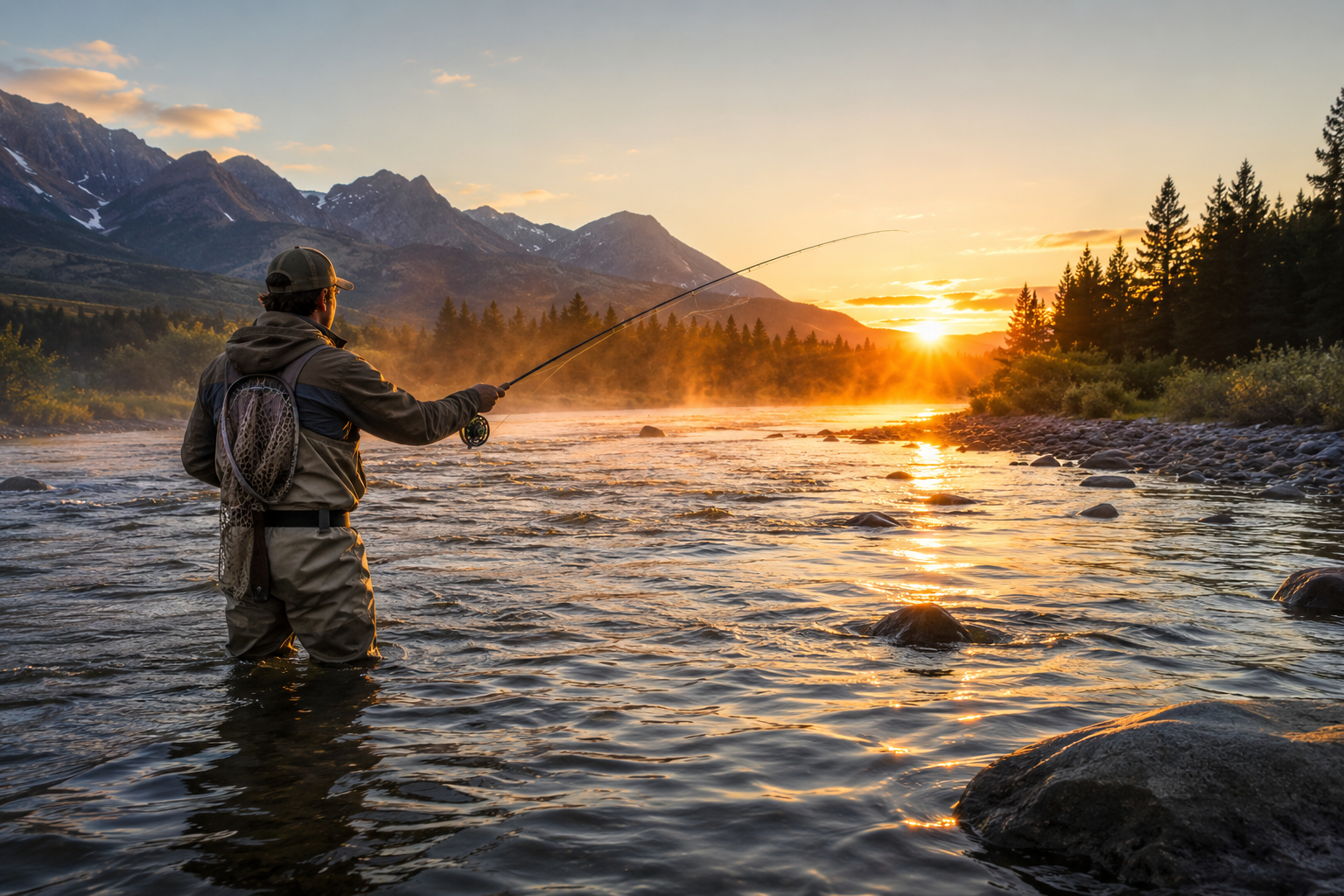
A DIY fly fishing trip gives you freedom, lower cost, and the satisfaction of figuring out the water yourself. A guided fly fishing trip gives you local knowledge, better access decisions, faster learning, and help reading unfamiliar rivers.
Quick Answer
Choose a DIY fly fishing trip if you enjoy exploring, already have basic casting and water-reading skills, and want maximum flexibility. Choose a guided fly fishing trip if you are new to the area, want to learn faster, need help with access, or are planning a destination trip where time on the water is limited.
Planning Tool
Compare DIY and Guided Trip Costs
DIY and guided trips can differ significantly in guide fees, equipment, lodging, travel, and overall planning costs. Use the Fly Fishing Trip Budget Calculator to estimate realistic trip ranges before deciding which approach best fits your goals and budget.
If the guided option sounds like the better fit, review our fly fishing guide selection checklist and our guided fly fishing trip cost breakdown before booking.
Compare DIY and Guided Fly Fishing
| Factor | DIY Fly Fishing | Guided Fly Fishing |
|---|---|---|
| Cost | Lower upfront cost, but more trial and error. | Higher day rate, but more instruction and local knowledge. |
| Learning curve | Steeper if you are new to the river or technique. | Faster because the guide helps with flies, water, and presentation. |
| Access | You research public access, walk-in areas, and regulations. | Guide helps choose productive water and legal access points. |
| Flexibility | Maximum freedom to move, stop, or change plans. | More structured around the guide, boat, and day plan. |
| Best for | Anglers who like exploring and already have basic skills. | Beginners, destination anglers, and people with limited time. |
DIY fly fishing advantages
- Lower daily cost
- More freedom and solitude
- Better for learning through repetition
- Can explore multiple access points
- Works well for anglers who already know the basics
Guided fly fishing advantages
- Local knowledge of flows, hatches, and access
- Instruction on casting, mending, and presentation
- Help choosing flies and reading water
- Drift boat or raft access on some trips
- Better use of limited destination fishing days
Wade fishing
Wade trips can be simple, affordable, and flexible. They work best when access is clear and the angler can safely move in the water.
Drift boat trips
Float trips cover more water and can be excellent for destination anglers, but they are more structured and usually cost more.
Destination trips
If you are traveling to Montana, Idaho, Wyoming, Colorado, or another major trout region, a guide can help compress the learning curve quickly.
Trip style matters as much as price. If you are unsure whether you want a float trip or a walk-and-wade day, compare drift boat vs wade fishing. If you are still choosing a region, start with our best fly fishing destinations guide.
Planning Tip
Many anglers discover that a short guided trip early on can actually reduce long-term costs by improving skills, shortening the learning curve, and helping them avoid unnecessary gear purchases.
When Is a Fly Fishing Guide Worth It?
A guide is often worth it when you are fishing unfamiliar water, dealing with changing flows, trying a new technique, or planning a limited-time destination trip. A good guide does more than row a boat or point at fish. They help you understand what the river is doing, where fish are holding, how to present the fly, and how to adjust when conditions change.
DIY makes more sense when you already know the area, have time to experiment, and enjoy the process of solving the river on your own.
Timing and preparation can change how valuable a guide becomes. Before your trip, review the best time of year for fly fishing trips and use our fly fishing packing list to prepare.
Planning Tip
Hire a guide early in the trip, not late.
If you are going to hire a guide for only one day, consider doing it at the beginning. You can learn the river, flies, flows, and techniques, then use that knowledge during your remaining DIY days.
Practical Decision Framework
| First time fly fishing | Lean guided |
| New destination river | Guided first day can help |
| Local familiar water | DIY makes sense |
| Limited vacation time | Guided may be worth it |
| Best balanced approach | One guided day, then DIY |
Bottom Line
DIY fly fishing works best for anglers who value independence, have time to explore, and already understand the basics. Guided trips are often the better choice for beginners, unfamiliar rivers, or limited destination time. For many anglers, the strongest approach is one guided day early in the trip, followed by several DIY days using what they learned.
Frequently Asked Questions
Are guided fly fishing trips worth the cost?
Guided trips are often worth it for beginners, destination anglers, and travelers with limited time because guides help with access, river conditions, fly selection, and learning.
Is DIY fly fishing cheaper?
DIY trips can reduce guide costs, but travel, lodging, fuel, rental vehicles, gear purchases, and learning mistakes can still add up quickly.
Should beginners start with guided fly fishing?
Many beginners benefit from at least one guided trip because it helps build confidence, teaches river basics, and improves the overall experience early on.
Keep Planning
Choosing between DIY and guided fishing is only one part of planning a successful trip. Use the guides below to compare destinations, seasons, trip styles, guide selection, packing, and total costs so you can build the experience that best fits your skill level, budget, and goals.
Continue Planning Your Fly Fishing Trip
Explore More Fly Fishing Guides
Cost & Budget
Choosing Your Trip
Best Fly Fishing Destinations
Compare destinations by scenery, access, guide availability, and trip style.
Best States for Beginner Fly Fishing
Compare beginner-friendly states by access, scenery, and learning curve.
Best Time of Year for Fly Fishing Trips
Compare seasons, hatches, weather, and fishing conditions.
Drift Boat vs Wade Fishing
Decide whether floating or wading is the better fit for your trip.